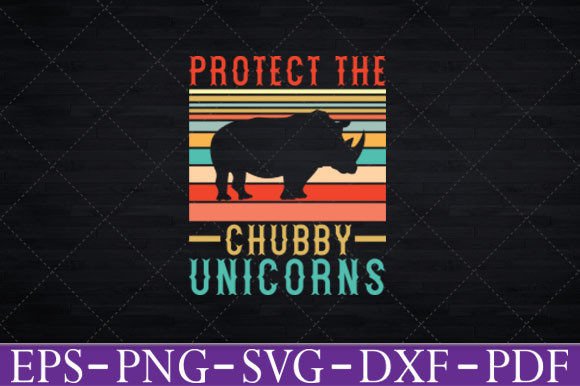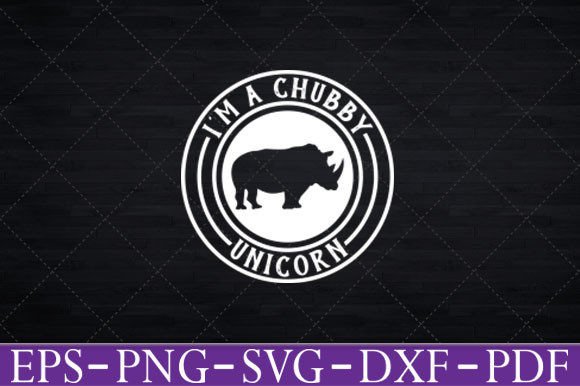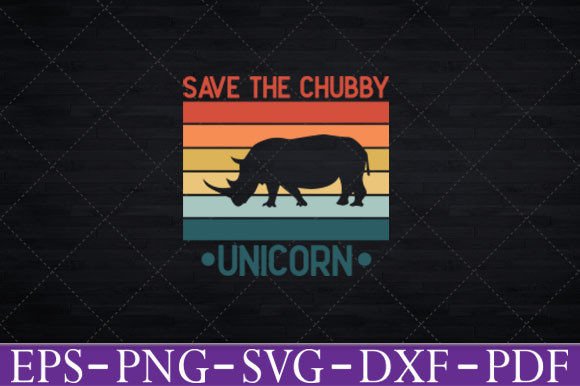
You Can Be a Rhino Chubby Unicorn Review
I opened the file folder for You Can Be a Rhino Chubby Unicorn expecting another cute animal mashup, but this one caught me off guard in the best way. It is not just whimsical. It carries a quiet, confident message wrapped in a chubby, fantastical creature that somehow feels both absurd and completely lovable. My first thought was not about thread or stabilizer. It was about who would wear this and where it would live happiest on a finished product.
The mood is playful but grounded. The unicorn horn and rhino body create a contrast that reads as humorous without being childish, which is a tricky balance to strike in embroidery files. Too often, funny designs lean so hard into comedy that they lose their visual charm once stitched. This one feels like it would hold up beautifully on fabric, with enough shape definition to stay recognizable even at smaller sizes, and enough personality to make someone stop and smile.
First Impression and Visual Personality
The shape is round and substantial, almost like a soft plush toy translated into stitch form. The term chubby in the title is not decorative. It genuinely describes the silhouette, which means the design relies on curves and fullness rather than intricate outline work. That is a practical plus for embroidery because chunky, well-defined shapes tend to read clearly on textured fabrics and from a distance. The unicorn element adds just enough whimsy without becoming fragile or overly detailed.
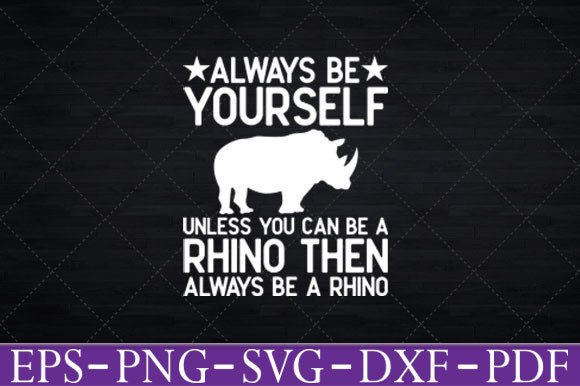
There is a certain mood here. It is the kind of design that says something about the person wearing it. The phrase Always Be Yourself Unless You Can Be A Rhino Chubby Unicorn frames the whole concept with a wink, and I can already picture customers chuckling when they see it embroidered on a tote bag or peeking out from a sweatshirt chest pocket. It feels like a conversation starter, not a trend piece that will feel tired next season.
Where This Design Naturally Belongs
After studying the layout and the overall feel, I immediately thought about a custom embroidered sweatshirt for a client who runs a small handmade shop selling quirky apparel. She specialises in pieces that feel like inside jokes, and You Can Be a Rhino Chubby Unicorn fits right into that niche. But the applications do not stop at sweatshirts.
Tote bags would give this design a beautiful canvas. The rounded shape fills a medium to large hoop area nicely, and the satin stitch potential around the body and horn would pop against natural cotton canvas. I also see it working on a pillow cover for a child's reading nook, where the whimsical tone softens the room without making it feel overly themed. For holiday gifting, a kitchen towel with this design would be unexpected and delightful, especially for someone who appreciates humour in everyday objects.
Caps and hats, however, might require more caution. The curved surface of a cap demands careful hoop placement, and the chubby body could distort if stretched across a structured crown. I would test placement thoroughly on a scrap cap before committing, especially if the design includes small accent details near the horn or facial area that could lose clarity on a curved surface.
Fabric Choices That Make It Shine
Stable, medium-weight fabrics are this design's best friend. Think cotton twill for tote bags, French terry for sweatshirts, and linen blends for pillow covers. The smooth surface gives the fill stitch room to settle evenly, and the satin stitch borders will look crisp rather than wavy. On thin or stretchy fabric like lightweight jersey, you will want a generous cutaway stabilizer underneath. Without it, the dense fill areas could cause puckering, and the chubby unicorn might end up looking like it went on an unintended diet.
Dark fabrics present both an opportunity and a challenge. The white and pastel tones often associated with unicorn designs will contrast beautifully against charcoal, navy, or black, making the design leap off the fabric. But you must test thread color choices on a swatch first. A pale pink that looks perfect on white stabilizer can turn muddy on a dark background if the thread tension is not adjusted properly. I always run a small test patch on the actual garment fabric before stitching the full design.
Stitching Performance and Design Details
What makes You Can Be a Rhino Chubby Unicorn embroidery-ready is the balance between filled areas and open space. The body likely relies on fill stitch for that chunky presence, while the horn, ears, and facial features probably use satin stitch for definition. That mix keeps the overall stitch density manageable. Too many dense areas packed together lead to stiff, uncomfortable patches on wearable items, but this design seems to understand where density belongs and where breathing room matters.
Small details around the face and horn require a watchful eye during the digitizing check. If the file includes tiny lettering or very fine accent lines, those could close up on softer fabrics or at smaller hoop sizes. I always inspect the design in a digital preview tool, zooming in on the finest areas to see whether the stitch paths maintain enough gap. A design that looks perfect on screen can surprise you on fabric if those tiny details are not optimised for thread thickness.
Testing Before You Commit to a Finished Product
Every time I work with a new design file like this one, I follow a short testing routine that saves me from costly mistakes. First, I stitch a sample on scrap fabric that matches my final project material as closely as possible. Cotton scraps, old sweatshirts, and canvas offcuts live in my studio for exactly this purpose. I check thread tension, color contrast, and how the design sits on the fabric grain.
Next, I view the design in black and white, either through software or by printing a mockup. This strips away the colour appeal and lets me focus purely on shape recognition. If the silhouette still reads clearly as a rhino-unicorn hybrid without color cues, I know the design has strong bones. You Can Be a Rhino Chubby Unicorn passes this test because the body mass and horn create a silhouette that does not rely solely on pastel shades to communicate the idea.
I also test the design across light and dark backgrounds. A design that charms on white can lose half its personality on heather grey if the thread colors were chosen without factoring in fabric tone. If you plan to offer this on multiple garment shades, you may need to adjust thread palettes slightly for each version, or at least be aware of how the contrast shifts.
Real-Life Project Scenario
Last month, a customer asked me to create a small batch of personalized baby shower gifts. She wanted something funny and fresh, not the usual sleepy moon and star motifs. I suggested a soft cotton receiving blanket with a corner embroidery placement, and You Can Be a Rhino Chubby Unicorn came to mind instantly. The rounded shape tucked neatly into a 4x4 hoop area without crowding the edges, and the pastel thread palette complemented the nursery color scheme without being overly sweet.
The stitching went smoothly on a double layer of cotton flannel with a medium-weight cutaway stabilizer. The fill stitch created a plush, almost velvety texture that begged to be touched. When I handed over the finished blanket, the customer's reaction confirmed my instinct. She laughed, then immediately asked if I could make a matching burp cloth and bib set. That is the sign of a design that connects with people beyond the screen.
Commercial Considerations for Sellers
For Etsy sellers and small shop owners, this design offers versatility that translates into multiple product listings from a single file investment. One You Can Be a Rhino Chubby Unicorn embroidery design can become a tote bag, a sweatshirt, a patch, a pillow cover, a tea towel, or a nursery decor piece. That product range gives your shop visual variety without requiring a catalogue of separate design purchases.
When creating product photography for listings, I recommend showing the design on at least two different product types. A flat lay of an embroidered apron alongside a close-up on a sweatshirt cuff, for example, helps buyers imagine the design in their own lives. Also, show a detail shot of the stitch quality. Thread sheen, satin stitch edge crispness, and fill stitch coverage all matter to discerning customers who understand embroidery value.
Boutique branding gets a boost from designs like this. If your shop identity leans toward playful, conversational, or slightly irreverent, You Can Be a Rhino Chubby Unicorn aligns with that voice. It tells potential buyers that your products have personality, not just production speed. In a market flooded with generic floral motifs and monogram options, a chubby rhino unicorn stands out on the search results page and stays memorable after the browser tab closes.
Stabilizer and Hoop Size Considerations
Stabilizer choice makes or breaks a design like this one. The filled body area needs firm support underneath so the stitches do not sink into the fabric or ripple outward. For structured bags and firm cotton, a fusible medium cutaway works well. For sweatshirts and knit garments, I prefer a non-fusible cutaway paired with a temporary adhesive spray to keep the fabric from shifting without adding stiffness from heat-activated adhesive.
Hoop size matters more than some newcomers realise. If the design file fits a 4x4 hoop but pushes close to the side edges, you lose clearance for the presser foot and risk marking the hoop burn into visible fabric. I always check the actual stitch field dimensions before hooping. Leave at least a quarter inch between the outermost stitches and the hoop edge to give yourself room to work and to keep the finished product looking clean.
Small Detail Inspection and Stitch Density
Areas that deserve extra scrutiny include the facial expression, the horn spiral, and any accent lines that define the chubby body contour. If the stitch density in those zones is too high, the thread can build up and cause needle deflection or thread breaks mid-run. If the density is too low, the fabric shows through and the design loses that plush, finished look.
I run a slow stitch-out on a test piece and watch the needle penetration carefully. The sound of the machine tells you plenty. A steady rhythm is good. A sudden thunk or hesitation hints that the density needs attention, especially in corners where the stitch direction changes abruptly. The rhino body, with its rounded shape, probably avoids sharp angle issues, but the horn tip and ear points are the natural trouble spots to monitor.
How the Design Strengthens Handmade Product Value
Handmade products carry an expectation of thoughtfulness, and the design you choose is half the story. When a customer receives an item featuring You Can Be a Rhino Chubby Unicorn, they do not just see a cute animal. They see a deliberate choice that reflects humour, individuality, and a touch of rebellious imagination. That emotional layer adds perceived value in a way that generic clip art simply cannot match.
Giftability improves dramatically with designs that feel personal. A customized tote bag with this design works as a birthday present for a friend who loves quirky accessories. An embroidered patch sewn onto a denim jacket becomes a wearable statement piece. A nursery wall hanging stitched on linen turns into a keepsake that parents hold onto long after the baby outgrows the crib. These are the product stories that generate repeat customers and word-of-mouth referrals for small craft businesses.
Customer trust builds when your product photos match the received item in quality and appearance. That is why I always photograph finished products in natural light, showing the thread texture and fabric drape truthfully. Shoppers can tell when a mockup has been digitally manipulated to hide poor stitch registration. Designs like this one, stitched with care on appropriate fabric, need no digital disguise. The physical result holds its own.
Practical Designer Notes and Recommendations
Before you list or gift any product made with You Can Be a Rhino Chubby Unicorn, confirm the licensing terms provided with the digital files. The product description mentions SVG, PNG, DXF, PDF, and Eps crafts cutting files for instant download, which covers multiple cutting machine formats. If you are using these for embroidery digitizing, check that the file quality transfers cleanly into your embroidery software. Some cut files lose fidelity when converted, especially around curved paths and fine details.
Test the design on scrap fabric first, every single time. This is not optional advice for beginners. Even experienced stitchers learn something new from each test run. Note the thread colors you used, the stabilizer type and weight, the hoop tension, and any small adjustments you made. Keep a project log so you can replicate the success next time or avoid repeating a mistake.
Review the stitch path order if your software allows it. Efficient stitch sequencing reduces thread trims, keeps the fabric stable during longer runs, and minimises registration shifts between colour changes. A well-sequenced design stitches the background fill before the satin border, for example, so the edges stay crisp and the base layer does not push outward under later coverage.
Think about the life of the finished product. If you are making a baby item, pre-wash the fabric and use colourfast threads that survive repeated laundering. If you are making a patch, finish the edge with a satin stitch border and consider adding a heat-seal backing for durability. Each product category carries its own wear-and-tear profile, and the design file itself is only one component of lasting quality.
Final Practical Verdict
You Can Be a Rhino Chubby Unicorn earns its place in my working design library because it balances personality with practical stitchability. It does not rely on overly fine details that crumble on textured fabric. It does not demand a hyper-specific product category to feel at home. It slots into apparel, home decor, accessories, and gift items with equal ease, and it carries a message that resonates with a broad audience without trying too hard to please everyone.
For embroidery professionals, this is a design that rewards careful material selection and stitch testing with a finished product that looks crafted, not just manufactured. For handmade business owners, it offers the kind of conversational appeal that moves browsers into buyers and one-time customers into repeat supporters.
This is not a design that shouts for attention. It simply stands there, chubby and confident, waiting for someone to recognise that being yourself, or being an improbable mythical creature, might actually be the same wonderful thing.