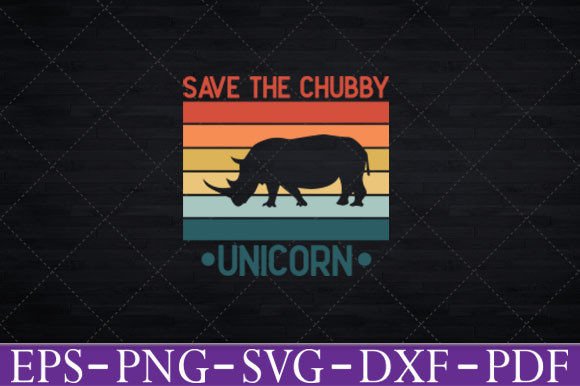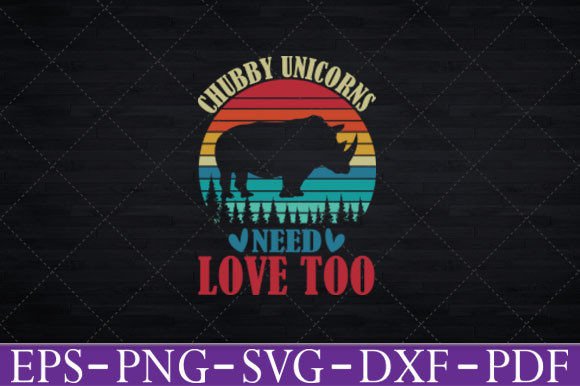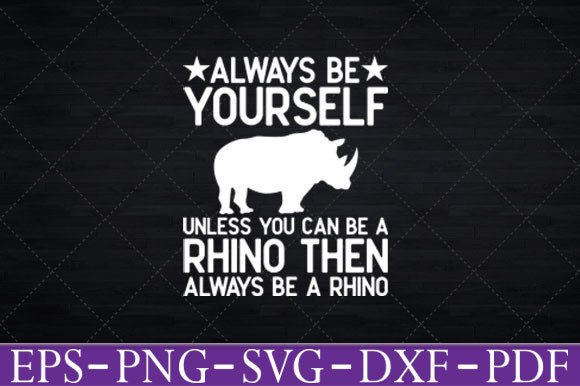
Save the Rhino T-Shirt Design: Rhinos Are Just Chubby
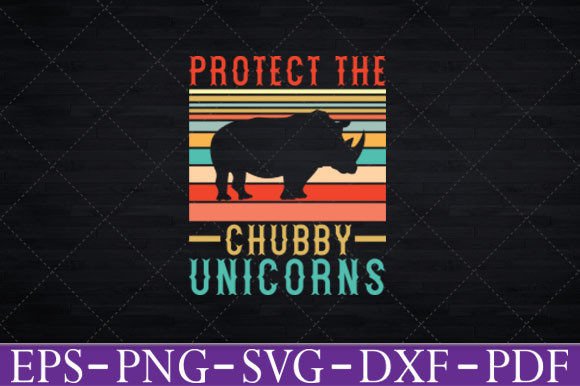
When I first opened the Save the Rhino, Rhinos Are Just Chubby Unicorns graphic asset, I immediately understood its editorial potential. This isn’t just another t-shirt graphic destined for a Cricut mat; it’s a cleverly packaged visual with a compelling conservation message wrapped in humour. As a blog designer who builds content systems for publishers, I look for graphics that can instantly lift an article’s visual appeal, stop a Pinterest scroller, or give a newsletter a personality shot. The rhino design arrives as a downloadable bundle—SVG, PNG, DXF, PDF, and EPS files—which means creators have immediate flexibility whether they’re composing a blog header, crafting a printable, or setting up a product roundup.
The Editorial Mood a Playful Rhino Instantly Creates
The first impression leans playful yet purposeful. The “chubby unicorn” wording triggers a smile, but the “Save the Rhino” call makes it instantly shareable for environmental, ethical fashion, and animal advocacy blogs. On a lifestyle or family website, the design reads as lighthearted and decorative; on a wildlife conservation blog, it becomes an emblem. The visual itself often features a cute, slightly chubby rhino with a whimsical unicorn horn—hand-drawn, bold, and full of personality. That organic feel adds editorial warmth, helping a content page escape sterile stock photography and connect with readers on a more human level. For publishers who need their visuals to say “we care, but we don’t take ourselves too seriously,” this graphic hits the sweet spot.
Turning a Single T-Shirt Design into a Complete Content Graphics System
A versatile graphic like this one is far more than a one-off download. Because it comes in multiple formats, a resourceful publisher can build an entire visual toolkit around it. Here’s where I see Save the Rhino, Rhinos Are Just Chubby working hardest in a real publishing workflow.
Pinterest Pins That Stop the Scroll
Pinterest thrives on strong, emotionally charged graphics. Place the transparent PNG of the rhino over a vibrant, solid background or a soft eco-inspired texture, add a bold text overlay with a headline like “Why Rhinos Deserve a Second Look,” and you have an instant performing pin. The SVG file lets you resize the rhino without losing quality, so the graphic remains crisp on vertical long-form pins—a critical factor for click-throughs. Animal humour combined with a cause regularly outperforms generic stock images on Pinterest, and this design gives you exactly that kind of scroll-stopping asset.
Blog Hero Images and Article Headers
For a blog post about wildlife conservation, eco-friendly fashion, or funny animal facts, this graphic works beautifully as a featured image. Place the rhino prominently on the left or centre, layer the article title over clean negative space, and you instantly communicate the tone of the piece. Readers scanning a homepage will recognise the whimsical rhino silhouette and associate it with a light, engaging read. Because the design already contains typographic elements, it can even stand alone as a header on simple minimalist themes, adding a decorative, editorial accent without overwhelming the page.
Newsletter Banners and Lead Magnet Covers
Email newsletters often suffer from visual fatigue, but a cheerful rhino banner can change that immediately. Crop the graphic to a wide banner format or use the EPS file to design a custom header that matches your brand’s colour palette. The same design can also become the cover of a lead magnet—a free digital guide or printable checklist titled something like “10 Small Ways to Support Rhino Conservation.” The playful unicorn twist makes the downloadable resource feel less like a stern report and more like a friendly gift from your brand, which improves opt‑in rates.
Social Media and Affiliate Content Graphics
When you’re promoting eco‑conscious products or animal‑themed gifts through affiliate links, a custom visual builds trust much faster than a manufacturer’s stock shot. Drop the rhino onto a clean canvas, add a subtle frame, and you can create Instagram posts, Facebook ads, or product roundup thumbnails that feel cohesive and branded. The commercial license that typically accompanies this type of asset is essential here—always verify that the license covers monetised blogs, affiliate pages, and paid social advertising before you commit.
Why This Design Asset Can Lift Your Content’s Performance
Beyond looking nice, a well‑chosen graphic directly influences how readers and search engines treat your content.
- Stronger first impression: A humorous, high‑contrast rhino graphic in a hero area immediately signals that the content is friendly and worth exploring, reducing bounce rate.
- Clearer visual hierarchy: The distinctive shape of the rhino draws the eye, giving you a natural focal point that can guide readers toward a headline, a call‑to‑action, or an affiliate link.
- Better click‑through potential: On social previews and Pinterest, the combination of an animal and a clever slogan often sees higher engagement than generic stock photos, directly supporting content distribution.
- Consistent brand identity: Using the same rhino motif across blog graphics, newsletter headers, and printables creates a visual signature that helps readers recognise your content even before they read a word.
- Enhanced reader trust: Custom, polished design elements communicate that the publisher has invested time and care—something that matters deeply to an audience tired of cookie‑cutter stock visuals.
When to Use This Rhino Design Carefully
No graphic works everywhere, and understanding the limits of a design asset is just as important as knowing its strengths.
- Small mobile thumbnails: The fine lines of the unicorn horn and any small text details can become muddy at very small sizes. Always preview at thumbnail scale and consider a simplified crop for archive pages or category grids.
- Low‑contrast backgrounds: If your blog uses a very light pastel palette, the rhino might blend in. Test it on your site’s actual background and adjust opacity or add a subtle drop shadow using the SVG file.
- Corporate or ultra‑serious niches: A finances, legal, or B2B SaaS blog would likely find the playful aesthetic jarring. Reserve this design for lifestyle, family, animal, education, and eco‑conscious content verticals.
- Heavily text‑cluttered layouts: This graphic already includes words; placing it next to multiple text overlays can create visual noise. Give it breathing room, or use a version without the built‑in type elements (if layered files allow) to avoid repetition.
Practical Publisher Testing Before You Go Live
Every image I add to a content site goes through a battery of real‑world checks. Here’s a quick checklist tailored for editing and publishing workflows.
- View the graphic on a 6‑inch phone screen and a 27‑inch desktop monitor—does the rhino still read clearly?
- Test it as a 150×150 pixel thumbnail; check if the word “Rhinos” or the horn shape remains identifiable.
- Place the PNG beside a serif font, a sans‑serif, a casual handwritten style, and a formal script to see which headline pairings feel most cohesive.
- Convert the SVG to pure black and white to ensure the line integrity holds up if a reader prints the article or views it in a high‑contrast mode.
- Compress the PNG with lossless tools to stay below 200 KB for fast page loads, and consider embedding the SVG inline for scalable, retina‑ready crispness without additional HTTP requests.
- Check the commercial licensing terms: you need to know if the design can be used on monetised websites, incorporated into paid digital products like e‑books or course covers, and included in social media ads without attribution.
- If you plan to offer a printable featuring this design (for example, a children’s activity sheet with the rhino), confirm that the license allows redistribution or if a separate extended license is required.
The Long-Term Value for Digital Publishers and Brands
A graphic like Save the Rhino, Rhinos Are Just Chubby isn’t a one‑post wonder. Once you’ve integrated it into your content design system, it can appear inside digital guides, media kits, category index pages, and even slide decks for webinars. The multiple file formats give you the freedom to use the rhino in Canva templates, Adobe Illustrator compositions, and simple online photo editors, making it accessible to solo publishers without a design degree. For affiliate marketers, placing this graphic in a gift guide or product review roundup adds an editorial layer that pure product shots can’t replicate. For educators or newsletter creators building a conscious brand, the rhino becomes a visual shorthand for positivity and purpose. As long as you respect its playful boundaries and test thoroughly across platforms, this little chubby rhino can do a surprising amount of heavy lifting for a content‑first publishing strategy.