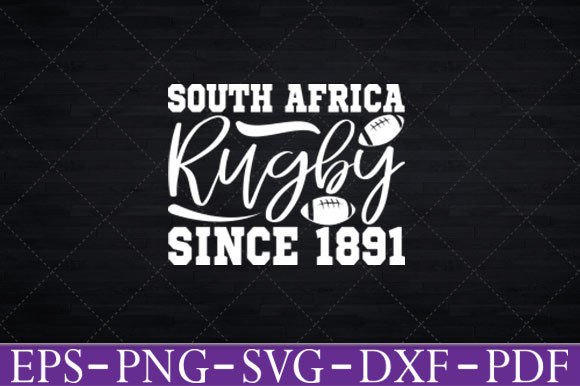
Vintage South Africa Rugby Graphics for T-Shirt Designs
First Look at This Rugby-Inspired Crafting Asset
Unzipping the download folder for Vintage South Africa Rugby Since 1891 immediately gave me that warm, worn-in feeling I chase for market stall products. The graphic isn't trying to be shiny or hyper-modern—it leans hard into a rugged, heritage sports aesthetic that will stop a certain buyer in their tracks. I could picture this on a faded olive tee, a canvas tote, or even a pint glass decal at a rugby club fundraiser. The mood is bold yet nostalgic, masculine but not aggressive, and there's a built-in sense of camaraderie that transcends the sport itself. For a crafter building a small batch of custom fan gear or Father's Day gifts, this asset carries a story before you even press Make It.
What Kind of Maker Will Fall for This Design
If you sell in the men's gift space, sports heritage niche, or South African expat community, Vintage South Africa Rugby Since 1891 is a no-brainer. It attracts the customer who values tradition, a bit of friendly rivalry, and that worn-vintage look that feels collected, not mass-produced. I've tested similar styles at local craft fairs, and these designs consistently pull in rugby dads, old-school sports fans, and guys who never buy themselves anything—until their partner spots my stall. The typography suggests a sturdy, almost badge-like quality, so it also holds appeal for anyone doing pub-style home decor, man cave signs, or collection-based sticker sets.
Getting It Ready for Real Cricut Projects
I loaded the SVG into Cricut Design Space first, because honestly, if the layers are a mess, nothing else matters. The Vintage South Africa Rugby Since 1891 file came in as a clean single-color path with no stray nodes or weird open contours—rare and refreshing. I was able to resize it from a wide-format back decal right down to a 2.5-inch pocket print without losing the distressed edge effect. For vinyl cutting on dark shirts, I mirrored and cut on everyday iron-on, and the registration of all those tiny vintage texture dots held shockingly well. Just watch your weeding tool around the smaller date numerals; a little patience there pays off.
Taking the Graphic into Silhouette Studio
On the Silhouette side, I imported the DXF and PNG versions to compare cut lines. The DXF gave me predictable, smooth outlines for a layered cardstock project—I used it to build a shadow box trophy display with chipboard backing. The distressed edges remained readable even when scaled up to 10 inches wide. For print-and-cut uses like sticker sheets and planner embellishments, the high-res PNG with transparent background nestled perfectly into registration marks. My craft group often asks whether vintage typography graphics lose their grit in small sizes; this one held strong down to 1.25 inches, which makes it viable for thank-you tags and product packaging.
The Handmade Business Play: What to Sell With This Asset
After test cuts, I always run a quick mental inventory: what can I actually sell with this? The shortlist for Vintage South Africa Rugby Since 1891 came fast. T-shirts remain the obvious win, especially the unisex soft-style heather tees that complement vintage ink colors. I also fell hard for a slate coaster set—sublimated the graphic with a muted sepia tone and sealed it for a pub-ready four-pack. Tote bags printed with this design and a single-line rugby ball sketch sold out at my last market. Mugs, trucker caps, canvas art prints, pocket journal covers, and even leather-look key fobs all made the cut. This is not a one-trick graphic; it flexes across apparel, home goods, and giftable stationery.
Adding Value to Your Printable Product Line
If you lean toward paper crafts and digital printables, you'll love the instant-expand potential here. The PDF and EPS files let me drop the graphic into a vintage rugby birthday invitation set, a game-day menu template, and a series of cellophane bag toppers for homemade biltong favors. Because the lettering already carries that timeworn texture, you don't need to fake a distressed look with overlays—just keep your background paper natural. I also built a quick Father's Day coupon book cover around this graphic, and customers ate it up because it felt so much more intentional than generic sports clipart.
Styling Tips for a Cohesive Product Collection
When I build a drop around a single graphic asset like this, I choose three color palettes and run them across all product types. For Vintage South Africa Rugby Since 1891, I'm using a muted gold and deep forest on cream, a charcoal and white for modern rugby fans, and a faded navy with rust red for true vintage collectors. Pairing the main graphic with serif fonts for subtitles, or even a rough handwritten script for player names and dates, extends the branding without distracting. I've also layered the design over painted woodgrain textures for wall signs and box lids—messy, masculine, and 100% on trend for man cave buyers.
Where This Design Shines Brightest
- Large-format apparel: Full back prints, hoodie crests, and oversized tote panels.
- Sublimation blanks: Mugs, coasters, aluminum photo panels, and polyester pillows.
- Event stationery: Game tickets, party invites, gift tags, and table numbers.
- Retro bar decor: Beer flight paddles, tin signs, bottle cap frames, and framed pub prints.
- Small business branding: Hang tags, loyalty cards, and thank-you inserts for rugby-themed product lines.
Where You Should Tread Carefully
No design asset is perfect for everything, and I hit a few practical snags with Vintage South Africa Rugby Since 1891 that fellow crafters will want to note. The vintage distressing, while beautiful, becomes a liability under tiny weeding circumstances—below one inch, some of the speckled texture fuses together and loses definition. For very small sticker designs or jewelry charms, consider simplifying the SVG path or using the clean, non-textured version if your bundle provides one. Layered vinyl with intricate registration is possible but annoying; stick to single-color cuts or print-then-cut for complex multi-tone versions. And if you're planning a low-contrast sublimation on dark polyester, the fine detail might wash out; test on a white or light substrate first.
Testing and Mockup Workflow Before You List
I never list a product without running real mockups, not just the digital preview. For Vintage South Africa Rugby Since 1891 I pressed a cotton tee, a polyester/cotton blend, and a canvas bag to see how the texture translated across fabric weaves. On tighter weaves, the distressed dots printed crisp; on looser knits, I needed to thicken the stroke slightly in my design software. The PNG at 300 DPI imported perfectly into my sublimation printer without pixelation. If you're selling on Etsy or a print-on-demand marketplace, take the time to photograph the physical product on a flat lay with relevant props—a vintage rugby ball, a weathered wooden bench, or a steamy mug—to signal quality and authenticity to potential buyers.
Commercial Licensing and Small Business Use
A quick but critical reminder that I teach every new crafter in my workshop: confirm the commercial license before you cut, press, or sell anything. The product description for Vintage South Africa Rugby Since 1891 states it's compatible with many cutting machines, but you need to verify whether finished physical items can be sold, and if there are any limitations on print-on-demand platforms. I keep a folder of license screenshots for every asset I use, organized by designer. This one appears to allow commercial use for physical products, but as always, don't assume—check. No one wants a takedown notice right before the holiday rush.
How the File Bundles Work for Maker Efficiency
Having SVG, PNG, DXF, PDF, and EPS all in one instant download is a workflow accelerator. I used the SVG for Cricut and Silhouette cutting, the DXF for my laser engraver tests, the PDF as a printable art download in my Etsy shop, and the EPS to hand off to a screen printer for a local club order. The PNG served double duty for mockups and sticker sheets. If you're managing multiple product types in a single season, this bundle format saves hours of format conversion and resampling. I organized my project subfolders right away: apparel, paper goods, sublimation, and mockups—each containing the appropriate file type in a ready-to-use state.
Pairing This Graphic With Other Design Assets
To build a full craft fair booth around Vintage South Africa Rugby Since 1891, I pulled in a coordinating rugby ball silhouette, some green and gold clipart laurel wreaths, and a matching script font for personalization options. A distressed sans serif font for team names and a handwritten font for player signatures rounded out the graphics kit. This modular approach lets me upsell customers on personalized jerseys, custom framed prints, and gift bundles. If you have a commercial design bundle membership, search for heritage sports elements, vintage badges, and classic typography sets to pair with this asset seamlessly.
Real Talk From a Seasonal Crafting Seller
I've learned that the best-selling T-Shirt Designs are ones that feel personal and specific, not generic. Vintage South Africa Rugby Since 1891 hits that niche perfectly—a slice of sports history that a father, brother, or friend won't find at a big-box store. For my shop, Father's Day orders jumped when I added this to my rugby collection, and I'm already planning a World Cup-themed refresh using this same graphic as the centerpiece. It's the kind of digital product that invites storytelling, and in a crowded handmade marketplace, that emotional pull is often what seals the sale. If you're on the fence, do a small test batch of mugs or koozies and watch your rugby-loving customers light up.
Final Craft-Check Before You Press Go
- SVG layers: Check that all compound paths release cleanly and nothing is grouped awkwardly.
- PNG edges: Zoom in to 400% to ensure transparency around the distressed border is true and not muddy.
- Sublimation colors: Print a small sample swatch to see how the vintage browns and greens convert.
- T-shirt placement: Test on a dummy shirt; the wide rugby crest shape can pull too far under the armpit if scaled too large.
- Mockup reality check: Use a photograph of your actual product, not just a generic digital render.
- License double-check: Screenshot the terms for your records, especially if you plan to use the graphic design asset on print-on-demand sites.
For crafters looking to build a nostalgic, money-making collection with real handmade appeal, Vintage South Africa Rugby Since 1891 earns its keep. It's a file I'll reach for again when rugby season heats up, and that's as honest a review as I can give from one maker to another.