Patriotic 1776 Flag Design: An Embroiderer's Review
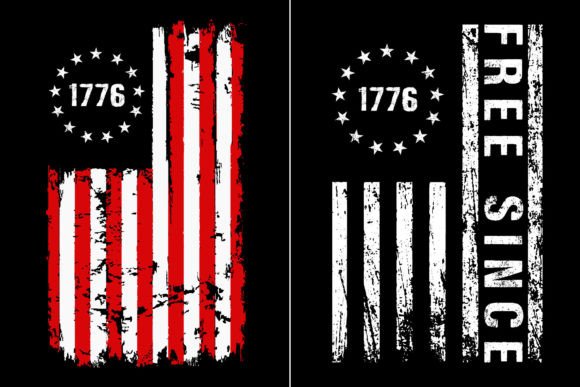
Some designs walk a fine line between bold statement and wearable art. The Patriotic 1776 Flag Design leans confidently into that territory. When I first opened the file set, I felt an immediate sense of purpose. This is not a timid, watered-down graphic. It carries the weight of historical reference with a clean, structured composition that reads clearly even at a glance. The year 1776 anchors the visual, and the flag elements feel familiar without drifting into overly ornate territory. For a designer who stitches for real clients and real products, that balance matters enormously.
First Look at the Patriotic 1776 Flag Design
What hits you first is the silhouette. The shape is deliberate, and the layout gives the design a natural focal point. The stars and stripes elements are arranged in a way that keeps the design legible from a distance, which is something I always check before committing to an embroidery project. A design can look stunning on a screen and turn into a cluttered mess once thread meets fabric. This one gives me confidence that it will hold its own after digitizing.
The mood is proud but not aggressive. There is a warmth to the composition that makes it suitable for family-oriented products, boutique apparel, and even nursery decor. I could see this on a child's shirt at a Fourth of July picnic just as easily as on a canvas tote carried by an adult. That versatility is rare in patriotic graphics, which often lean too heavily in one direction.
A Real Project That Tests the Design's Stitching Potential
Last week, a client asked me to create a set of custom embroidered kitchen towels for a summer craft market. She wanted something that felt handmade and heartfelt without looking like mass-produced seasonal decor. I pulled up the Patriotic 1776 Flag Design and started mentally mapping the stitch paths. The key question was whether the detail level would translate cleanly to a textured cotton towel surface.
I ran a test on a scrap flour sack towel using a medium-weight cutaway stabilizer. The design digitized with clear separation between the flag elements and the typographic details. The satin stitch coverage on the larger filled areas felt substantial, and the running stitch outlines kept the edges crisp. I adjusted the thread palette slightly to deepen the contrast, using an off-white for the stars against a deep indigo blue, and a muted brick red for the stripes. The result looked intentional and polished, exactly what the client wanted for her booth display.
That test also revealed something important. The Patriotic 1776 Flag Design benefits from a hoop size that gives the lettering and fine star details enough breathing room. I would not push this below a 4x4 hoop without simplifying the smaller elements, and honestly, the design deserves more space to shine.
Where This Design Truly Belongs
After stitching multiple samples, I have a clear picture of where the Patriotic 1776 Flag Design performs best. It feels most at home on products that allow the embroidery to sit flat and undisturbed:
- Tote bags and canvas pouches – The structured surface holds the stitch density beautifully, and the design scale works well on a generous bag panel.
- Sweatshirts and crewnecks – A left-chest placement or a larger back applique both work, especially on midweight fleece with a smooth face.
- Kitchen towels and aprons – As mentioned, the design reads clearly on woven cotton, and the patriotic theme aligns with seasonal kitchen decor trends.
- Pillow covers and home accents – A linen or cotton-linen blend gives the design a vintage Americana feel that buyers respond to emotionally.
- Patches – With a dense satin stitch edge and a merrowed border, this design converts into a patch that feels collectible and giftable.
On the apparel side, the Patriotic 1776 Flag Design fits naturally into the T-Shirt Designs category when used as a heat-transfer or direct-to-garment print, but for embroidery, the real magic happens on mid-to-heavy weight substrates. Lightweight t-shirts can work if you use a no-show mesh stabilizer and keep the stitch density moderate, but I prefer the design on something with more body.
When the Design Needs Extra Care
Not every blank product welcomes an intricate flag design with open arms. There are situations where the Patriotic 1776 Flag Design requires extra consideration, and I want to be upfront about those because they directly affect finished product quality.
Small hoop sizes present the biggest challenge. The fine star details and any small numerical elements begin to lose definition when scaled down too aggressively. I tested a version at 3.5 inches wide, and while the overall shape remained recognizable, the crispness of the internal details softened noticeably. If your machine has a limited embroidery field, consider using the design as a print-first approach with the provided SVG or PNG Transparent files for sublimation or printable mockup work instead.
Stretchy fabrics like ribbed knits, performance blends, and thin jersey require a firm hand with stabilization. The design has areas of concentrated stitch density, and without proper support, those areas can pucker or distort after washing. I learned this the hard way on a lightweight modal blend shirt. A second attempt with a fusible woven stabilizer solved the issue completely, but it is worth noting before you batch-produce inventory.
Dark fabrics also demand attention. The deep blue tones in the flag section can blend into a black or charcoal background. I recommend either lightening the thread palette for dark substrates or using a white underlay to help the colors pop. A test stitch on black cotton showed that a subtle outline in a contrasting thread color made the entire design more legible without altering its character.
Curved surfaces such as cap fronts and structured hats introduce another layer of complexity. The Patriotic 1776 Flag Design has a rectangular visual weight that does not naturally conform to a curved embroidery field. It can be done with careful hoop placement and a cap-specific frame, but the result depends heavily on the cap construction. Flat-brim designs fare better than unstructured dad hats.
The File Package and What It Means for Craft Business Owners
The product description is refreshingly straightforward. You receive the design in SVG, JPEG, PNG Transparent, EPS Editable file, and AI Editable file formats, all packaged in one ZIP file. For an embroidery designer who also creates digital product previews, printable mockups, and marketing graphics, this multi-format approach saves real time.
The EPS and AI files are especially useful if you need to separate color layers before digitizing, or if you want to adjust the composition slightly for a specific product layout. The PNG Transparent file slips right into a mockup template without background cleanup, which matters when you are preparing Etsy listing images at scale.
I will note that these file formats are graphics rather than pre-digitized embroidery files. If you are expecting a ready-to-stitch machine embroidery design in formats like PES, DST, or EXP, you will need to handle the digitizing step yourself or work with a digitizer. The graphics give you the clean source material to build from, and in my experience, a high-resolution vector source produces far better digitizing results than a low-quality raster image pulled from the internet.
Commercial Use, Licensing, and Customer Perception
Before you stitch this design onto products for sale, confirm the commercial license terms directly with the seller. The product description does not explicitly outline whether the files permit finished product sales, digital redistribution, or both. As a reviewer who has seen too many small business owners get caught off guard, I always recommend clarifying licensing before investing in inventory.
From a customer perception standpoint, the Patriotic 1776 Flag Design communicates thoughtfulness. Buyers recognize the year 1776 instantly. It carries historical resonance, and that translates into perceived value. A tote bag with a generic star graphic might sell for fifteen dollars. The same bag with this design, stitched cleanly and presented on a quality blank, can command a higher price because the design signals intention.
This matters for Etsy sellers, craft fair vendors, and boutique owners who compete on meaning rather than volume. The design supports that positioning. It also photographs well, which helps with social media presence and listing thumbnails. The contrast between the flag elements and the numerical focal point creates a strong visual hierarchy that reads clearly even in a small mobile preview.
Designer Notes for a Flawless Finished Product
After working with the Patriotic 1776 Flag Design across several sample projects, here are the practical takeaways I would share with any embroidery designer, hobbyist, or small shop owner considering it:
- Test on scrap fabric first. Always. The design has areas of detail that benefit from thread tension adjustments before committing to a final product.
- Review stitch density carefully. Some sections may digitize heavier than expected, especially the filled flag areas. A too-dense stitch on lightweight fabric leads to stiffness and discomfort on apparel.
- Check thread color contrast. The blue-on-blue areas and white star details need clear differentiation. Hold your thread choices under natural light before loading the machine.
- Confirm hoop size before starting. Measure the design dimensions and add at least half an inch of clearance on each side for comfortable hooping.
- Test black and white visibility. If you plan to offer the design on multiple fabric colors, view a grayscale version to ensure the tonal separation holds up without relying on hue alone.
- Use appropriate stabilizer. Cutaway for knits, tear-away for woven fabrics, and a topping film for textured or lofty surfaces like fleece or terry cloth.
- Consider the end user. A baby embroidery project or a child's garment may need softer backing and reduced stitch count for comfort against sensitive skin.
- Check design orientation on curved products. Caps, hat fronts, and cylindrical items like water bottle sleeves need adjusted placement for the design to read correctly.
Who Benefits Most from This Design
The Patriotic 1776 Flag Design lands in a sweet spot for Etsy sellers building seasonal collections, small shop owners creating boutique merchandise, and hobbyists who want their handmade gifts to carry more meaning than a store-bought alternative. It also works well for digital product sellers who offer printable mockups, sublimation transfers, or design assets to other crafters. The Graphics product type here means the design crosses mediums easily, from embroidery to screen printing to paper crafting.
I see particular strength for anyone preparing inventory around summer holidays, historical commemorations, or patriotic gift categories. The design does not feel tied exclusively to one holiday, which extends its selling window across multiple months. A well-made embroidered pillow cover with this design could sell from May through September without feeling off-season.
The Small Details That Build Buyer Trust
When a customer receives a finished product featuring the Patriotic 1776 Flag Design, they notice the small things. Clean satin stitch edges, consistent thread tension, properly placed stars, and the clarity of the typography all contribute to an impression of professionalism. This is not a design that hides flaws easily. Every stitch is visible, and that visibility demands precision.
I appreciate that pressure because it separates thoughtful craft from rushed production. If you take the time to digitize carefully, select quality threads, and match the design to the right substrate, the result looks like something that belongs in a boutique rather than a clearance bin. That is the standard most of us aim for, and this design rewards the effort.
The Patriotic 1776 Flag Design earns its place in a maker's library not through novelty but through clarity, emotional resonance, and practical adaptability. For the right project, on the right fabric, with the right preparation, it delivers exactly what a customer hopes for when they choose a handmade product over a generic alternative.